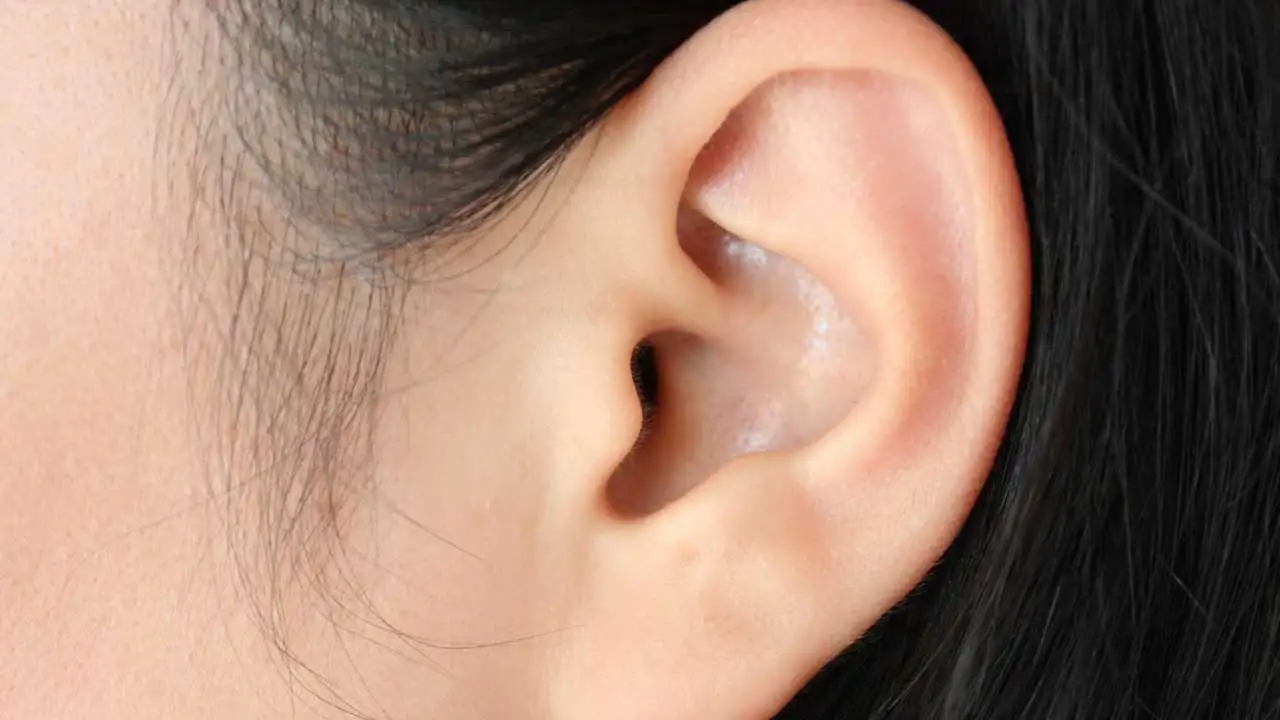
Have you ever wondered how two small organs on the sides of your head help you connect with the world, balance your body, and even protect you from danger? The human ear is not just for hearing, it’s a complex organ that plays multiple life-supporting roles.

The ear has three main parts. The outer ear has the auricle (pinna), which collects sound and sends it through the ear canal to the eardrum, with earwax protecting the canal from dust and germs.
The middle ear starts with the eardrum (tympanic membrane), which vibrates when sound strikes it. Ossicles, the three tiny bones namely malleus, incus, and stapes, make the vibrations stronger and pass them to the inner ear.

The inner ear has the cochlea, which converts vibrations into electrical signals that the brain recognizes as sound. Alongside, the vestibular system helps maintain balance and detect body movement.
Here is how the ear works: sound enters the ear canal, vibrates the eardrum, gets boosted by the ossicles, and reaches the cochlea. The brain then interprets these signals as sound. Meanwhile, the vestibular system provides information about body position, allowing us to walk and move steadily.

Doctors say the human ear can detect sounds from as low as 20 Hz to as high as 20,000 Hz. Nearly 5% of the world’s population suffers from disabling hearing loss, with common issues including ear infections, tinnitus, wax build-up, and noise-induced damage. In children, middle ear infections remain one of the top reasons for doctor visits.
Health experts advise simple steps for ear care. Avoid inserting sharp objects like cotton buds. Protect your ears from loud noises above 85 decibels. Keep your ears dry to prevent infections. Go for regular check-ups, especially for children and elderly citizens.

The ear, like the nose and eyes, is a silent guardian of our health and wellbeing. Yet, many people neglect its care until problems appear. Without healthy ears, everyday communication and coordination become difficult.