Have you ever stopped to think about what flows inside your body and keeps every cell alive? The answer is blood. It’s not just a red liquid, but a complex tissue that performs life-saving functions every second.
Click here to Read the Telugu version of this article.
In a normal adult, blood is about 7% of body weight and measures around 5 litres in volume. It is made up of plasma (about 55%), which is mostly water (92%) along with proteins, ions, glucose, and hormones, and formed elements (about 45%) such as Red blood cells, White blood cells, and Blood platelets.

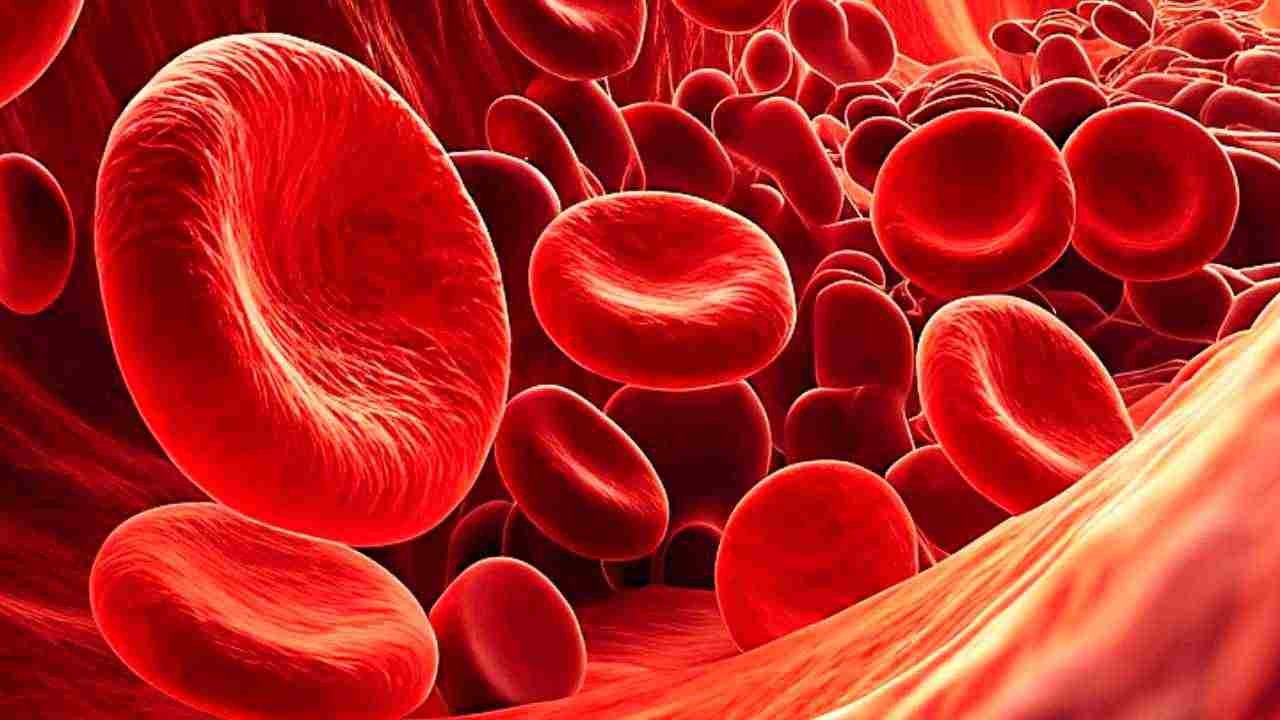
Red Blood Cells (RBCs), or Erythrocytes, are the most abundant blood cells, red in colour because of the protein haemoglobin. Their main function is to transport oxygen from the lungs to body tissues and carry carbon dioxide back to the lungs. Produced in the bone marrow, they have a biconcave disk shape that improves gas exchange. It lacks a nucleus, and contains the enzyme carbonic anhydrase to accelerate the gas exchange process.
White Blood Cells (WBCs), or Leucocytes, are a small part of blood (less than 1%) but are very important for the body’s defense. They are colourless, do not have haemoglobin, and protect the body from infections and parasites. WBCs include granulocytes such as neutrophils (fight infections), eosinophils (help in detoxification), basophils (cause allergy responses) and agranulocytes like lymphocytes (provides immunity) and monocytes (engulf germs).

Blood Platelets, or Thrombocytes, are tiny cell fragments in the blood. Their main job is to stop bleeding by clotting. This prevents too much blood and other body fluids from being lost.
Blood has a slightly basic pH of 7.35 – 7.45. The heart pumps it continuously through blood vessels. Oxygen-rich blood looks bright red, while deoxygenated blood appears dark red.

📢 Clearly, blood is more than fluid. It is life itself, circulating day and night without pause.
💬 What’s your opinion? Comment below…